Science Probe
Chapter 5 Quiz
Properties of Light
18/18
Showing posts with label Science. Show all posts
Sunday, 24 March 2013
Monday, 18 February 2013
Science Probe - Observing properties of Light
Science Probe Chapter 5 - We can observe the Properties of Light
Read Pages 96 to 101
Watch the video Out of Darkness: An Introduction to Light Click Here
For Mr T :)
Video Curriculum standards Will need to log into HCOS account to see them :-)
Read Pages 96 to 101
Watch the video Out of Darkness: An Introduction to Light Click Here
For Mr T :)
Video Curriculum standards Will need to log into HCOS account to see them :-)
Tuesday, 5 February 2013
Thursday, 24 January 2013
Science - Natural Light
What is the main source of natural light on earth? The Sun
What are three sources of natural light that you have seen? Stars, lightening, and the sun.
What is one source of natural light that you know about but that you haven't seen? The northern lights
What is moonlight? Sunlight bouncing off the moon onto Earth.
Wednesday, 28 November 2012
Homeschool Group - Equestrian Sports
Learning and naming the parts of a horse
Learning about the different types of feed and what they are used for
Art Activity- Horseshoe Christmas decoration
LLearnign about the different types of sports that involve horses:
Western sports: barrel racing, reaining, roping
English: Polo, Racing, Dressage, Jumping
and VAULTING!
Learning about the different types of feed and what they are used for
Art Activity- Horseshoe Christmas decoration
LLearnign about the different types of sports that involve horses:
Western sports: barrel racing, reaining, roping
English: Polo, Racing, Dressage, Jumping
and VAULTING!
Friday, 23 November 2012
Amazon Gallery - Habitats
"Extraordinary Diversity The Graham Amazon Gallery invites visitors to experience the extraordinary diversity and interdependence of aquatic and terrestrial life in the Amazon as they walk through a re-creation of South America’s tropical rainforest. This region has over 3,000 fish species and one-fifth of the world’s bird species—and many more animals are still being discovered. The gallery highlights some of these amazing species, as well as some of the threats they face." Vancouver Aquarium Website
Thursday, 22 November 2012
Habitats Frogs and our coastal waters
Visiting the Frogs Forever Exhibit and educational speaker at the Vancouver Aquarium.
Amphibians survived the disaster that wiped out the dinosaurs, but now they’re under siege from a variety of threats including habitat loss, devastating disease and being hunted for food. At the rate they’re disappearing, we could lose up to half of the world’s amphibians in our lifetimes. Frogs Forever? highlights the diversity and plights of frogs, salamanders and toads from different regions of the world. It also shows the amazing transformations they undergo in their lifetimes and offers some ways to help protect them" - Vancouver Aquarium Website
Wednesday, 14 November 2012
Tuesday, 13 November 2012
Wednesday, 7 November 2012
Friday, 2 November 2012
Tuesday, 23 October 2012
Monday, 22 October 2012
Weather Air properties
Find Water in the Air
Science Probe 4
Skill Focus: Observing, Inferring
5 Minutes
15 Minutes
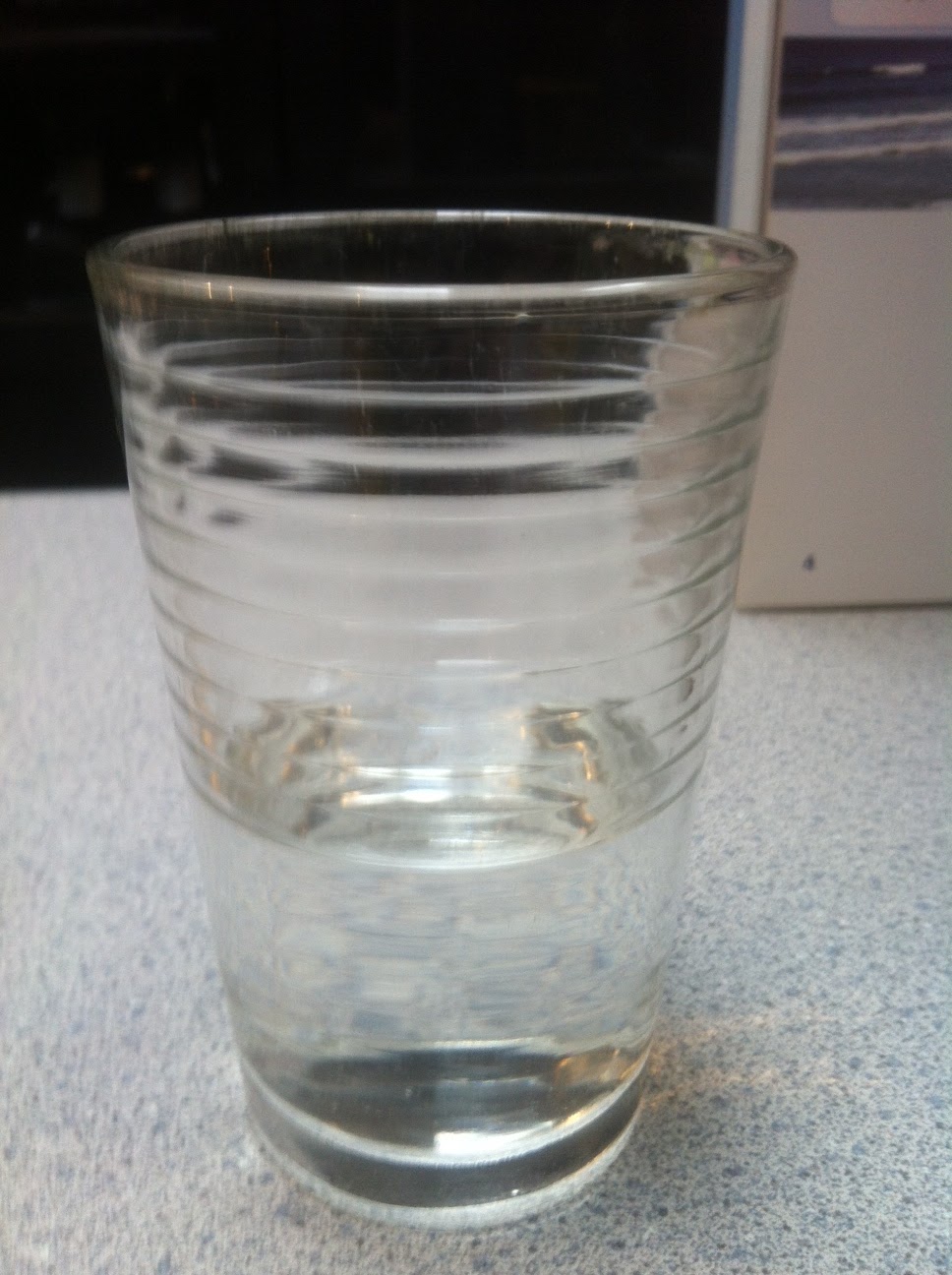
Is the same thing happening to both glasses? No
Where is the water on the outside of the glass coming from? the air
Monday, 1 October 2012
Science Probe Four - Weather
Chapter One
- What is Weather
- Observing and Measuring Weather
- Measuring Temperature
- Measuring Precipitation
- Measuring Cloud Cover Measuring
- Wind Measuring Air Pressure
- Finding Weather Information
Sunday, 12 August 2012
Meteor Shower Show
What caused the meteor shower we watched on August 11 2012 (The Perseids Shower)?
"Comet Swift-Tuttle, whose debris creates the Perseids, is the largest object known to make repeated passes near Earth. Its nucleus is about 6 miles (9.7 kilometers) across, roughly equal to the object that wiped out the dinosaurs." Space.com
Meteors from the Perseid shower streak past stars above the Los Padres National Forest in Frazier Park, California August 12, 2009. Mario Anzuoni/REUTERS Orginal
"Comet Swift-Tuttle, whose debris creates the Perseids, is the largest object known to make repeated passes near Earth. Its nucleus is about 6 miles (9.7 kilometers) across, roughly equal to the object that wiped out the dinosaurs." Space.com
Meteors from the Perseid shower streak past stars above the Los Padres National Forest in Frazier Park, California August 12, 2009. Mario Anzuoni/REUTERS Orginal
Subscribe to:
Posts (Atom)